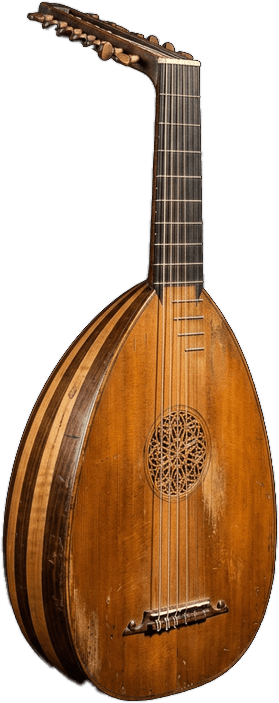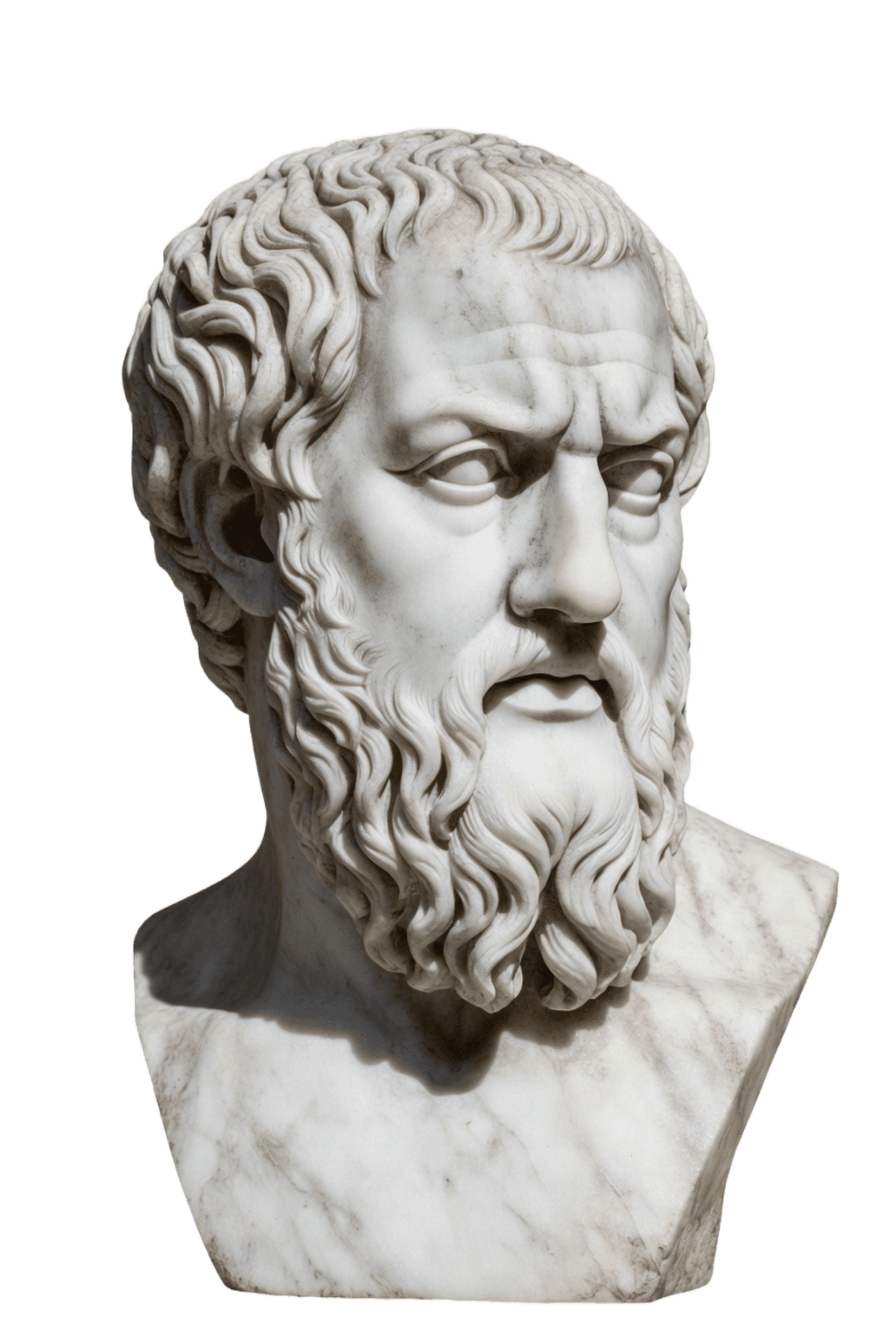


2nd century BC – 4th century AD
Ancient India
196 threads on focus, from the man who defined yoga.


Book IYoga SutrasPatañjali
0:00-0:26
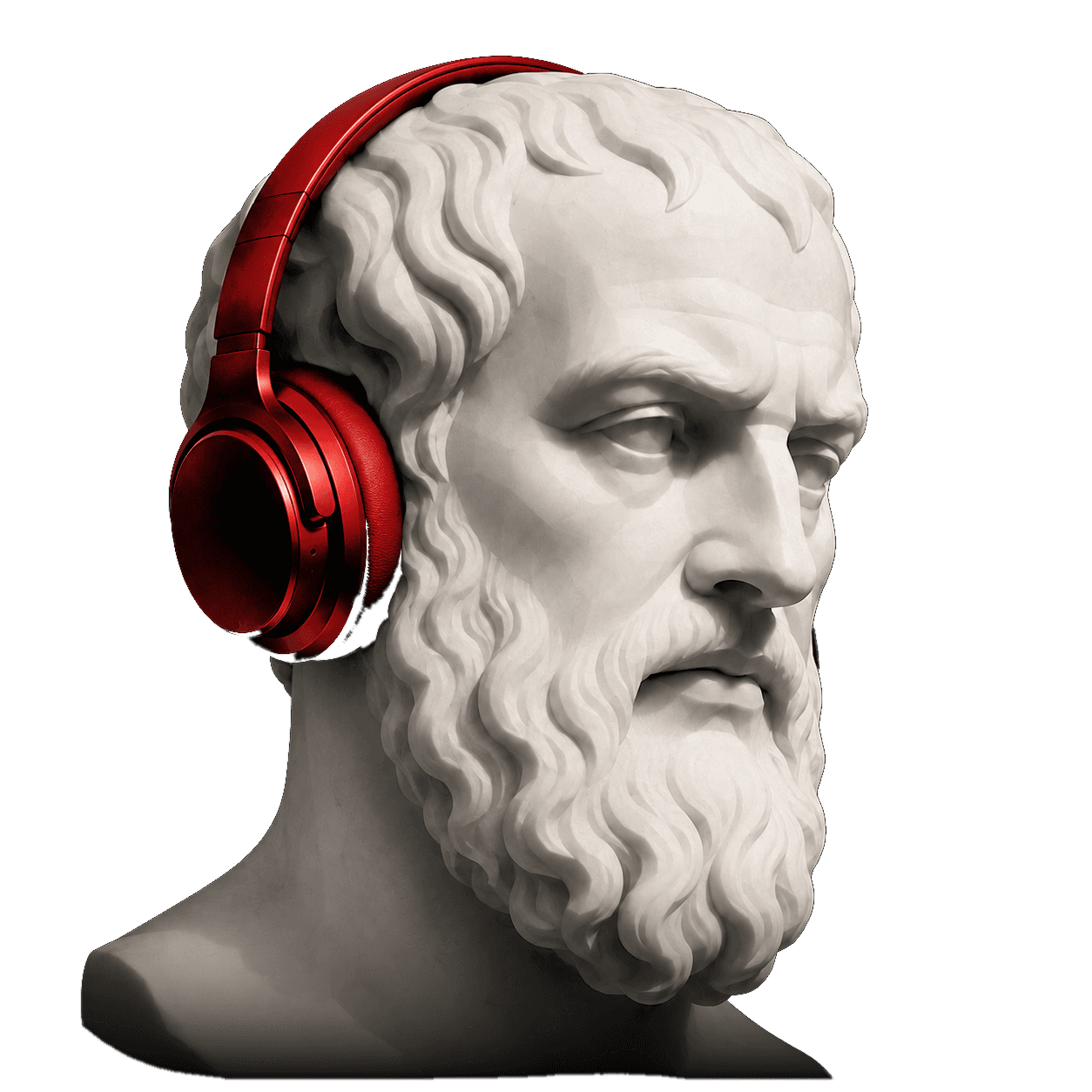
Every question you carry today was asked long ago — and answered by minds still worth hearing.


8th century BC – 2nd century AD
From Homer to the Stoics — the minds that started it all, now listening.


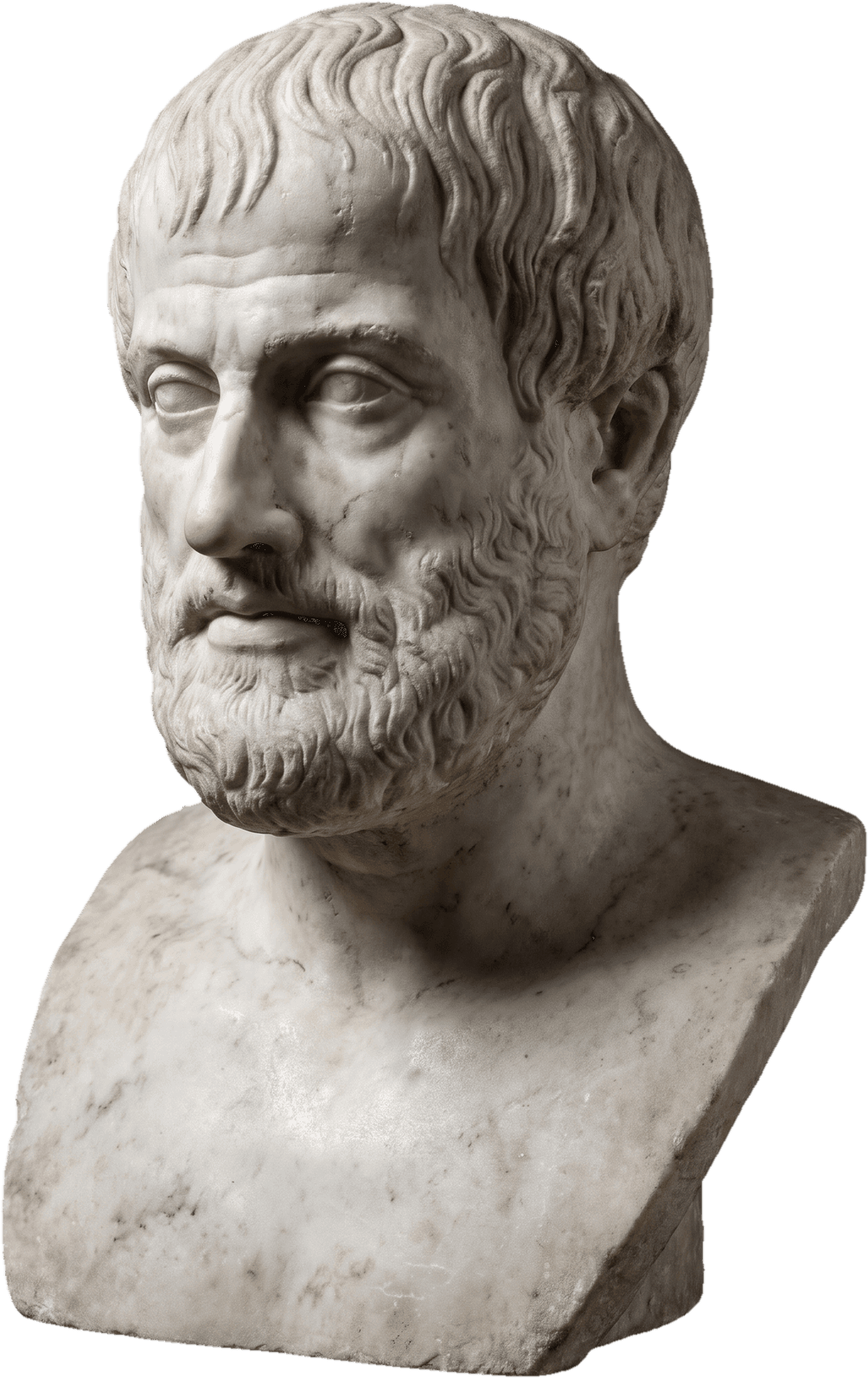
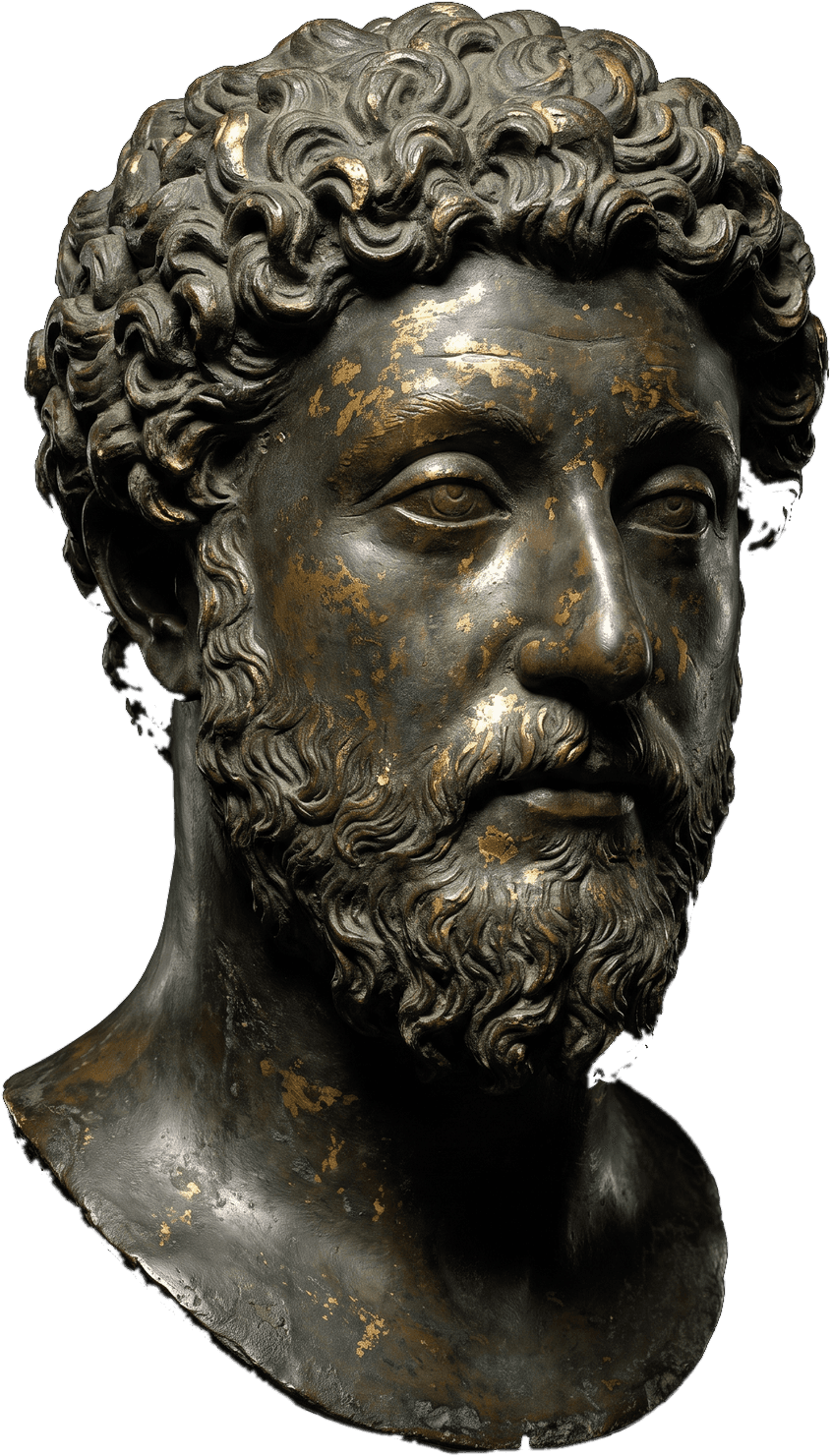






6th–4th century BC
Softness and strategy: two answers to the same world, from the same land.
2nd century BC – 4th century AD
196 threads on focus, from the man who defined yoga.
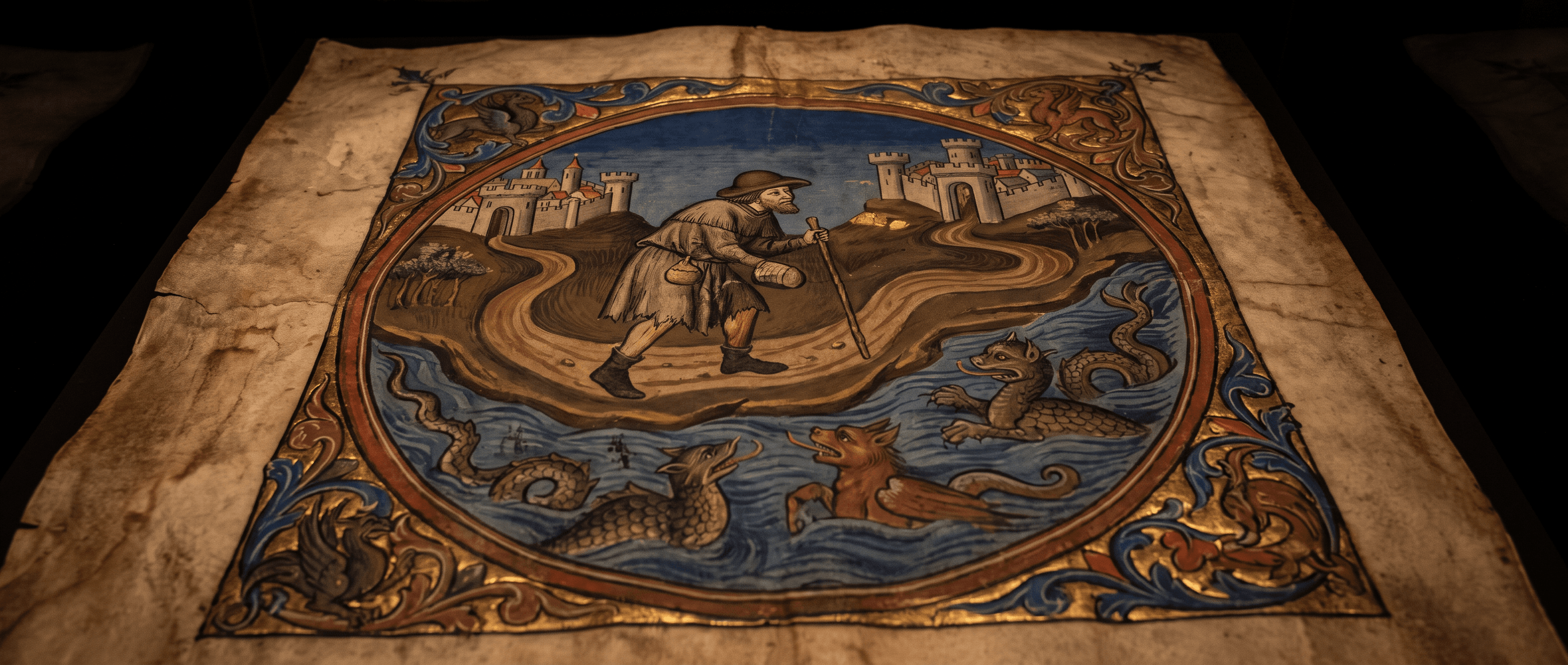
14th century
A 14th-century bestseller: the world as travellers dreamed it.
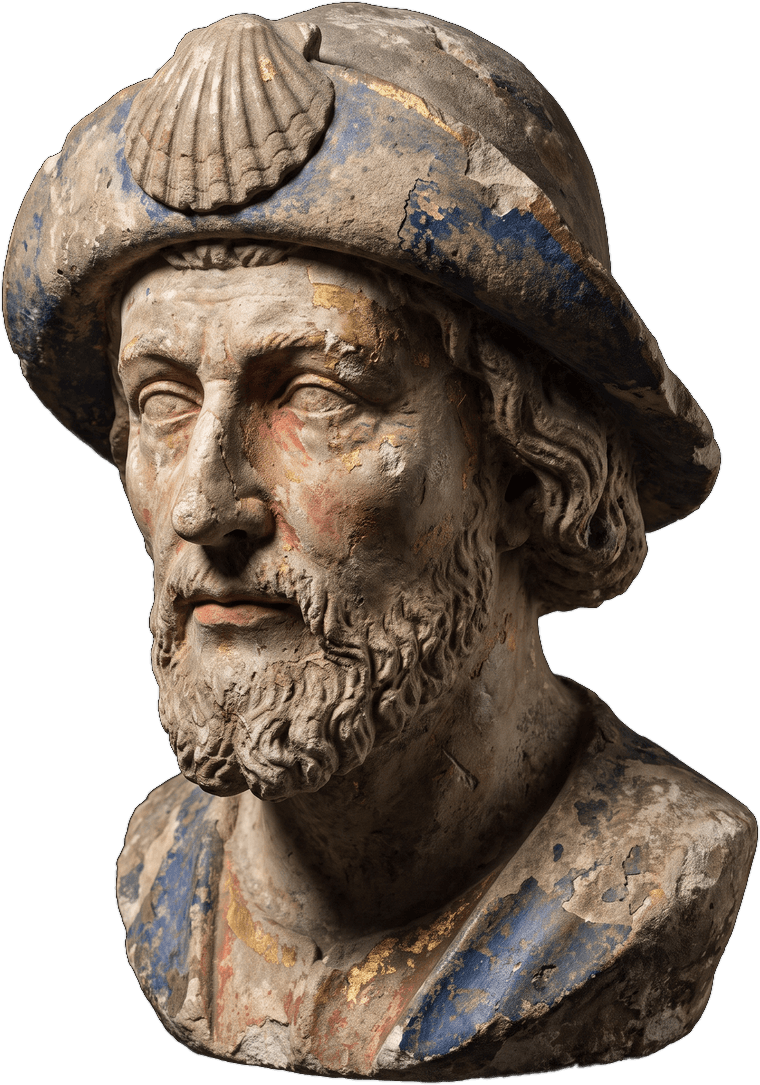

c. 1500
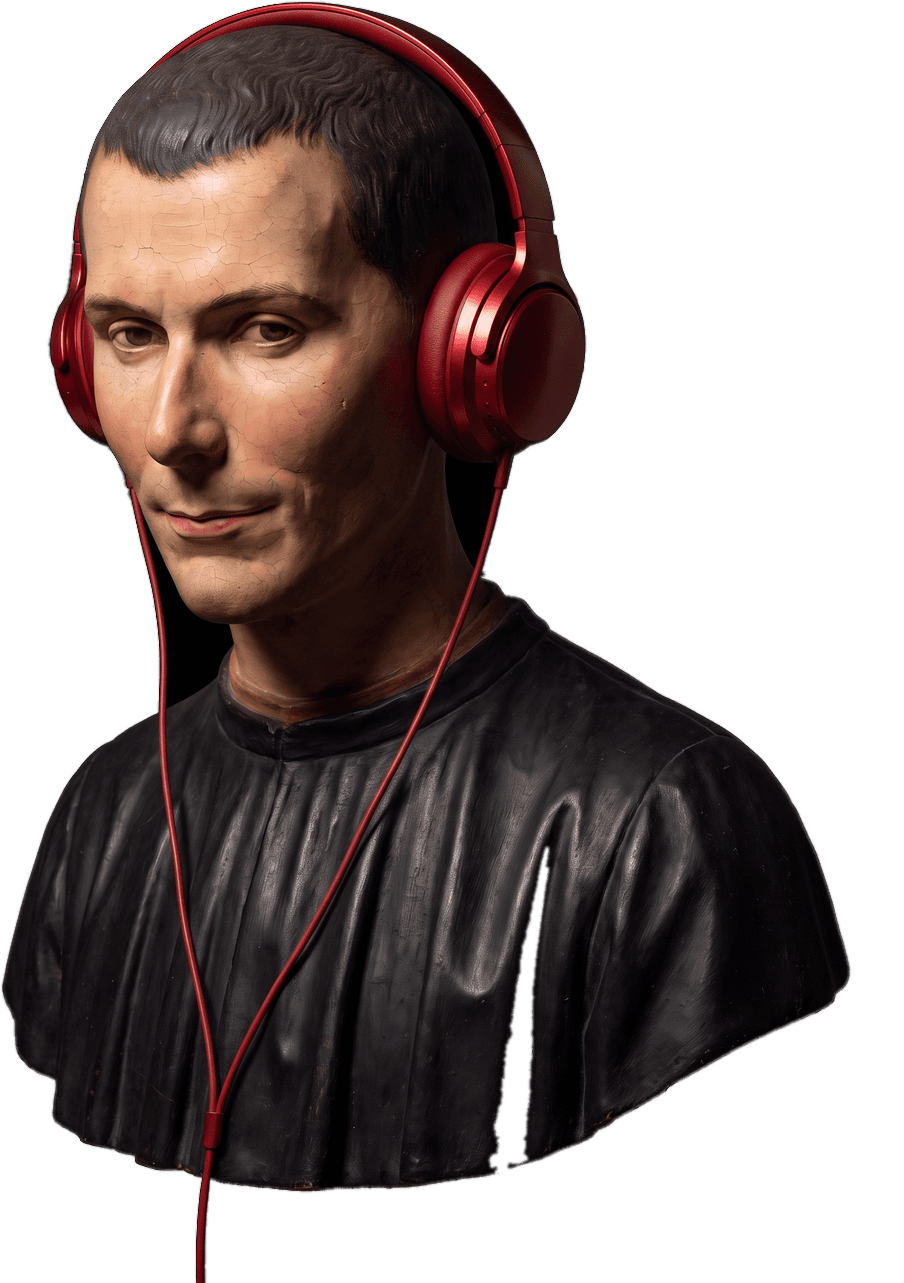
The handbook of power, still on every strategist's shelf.


17th century
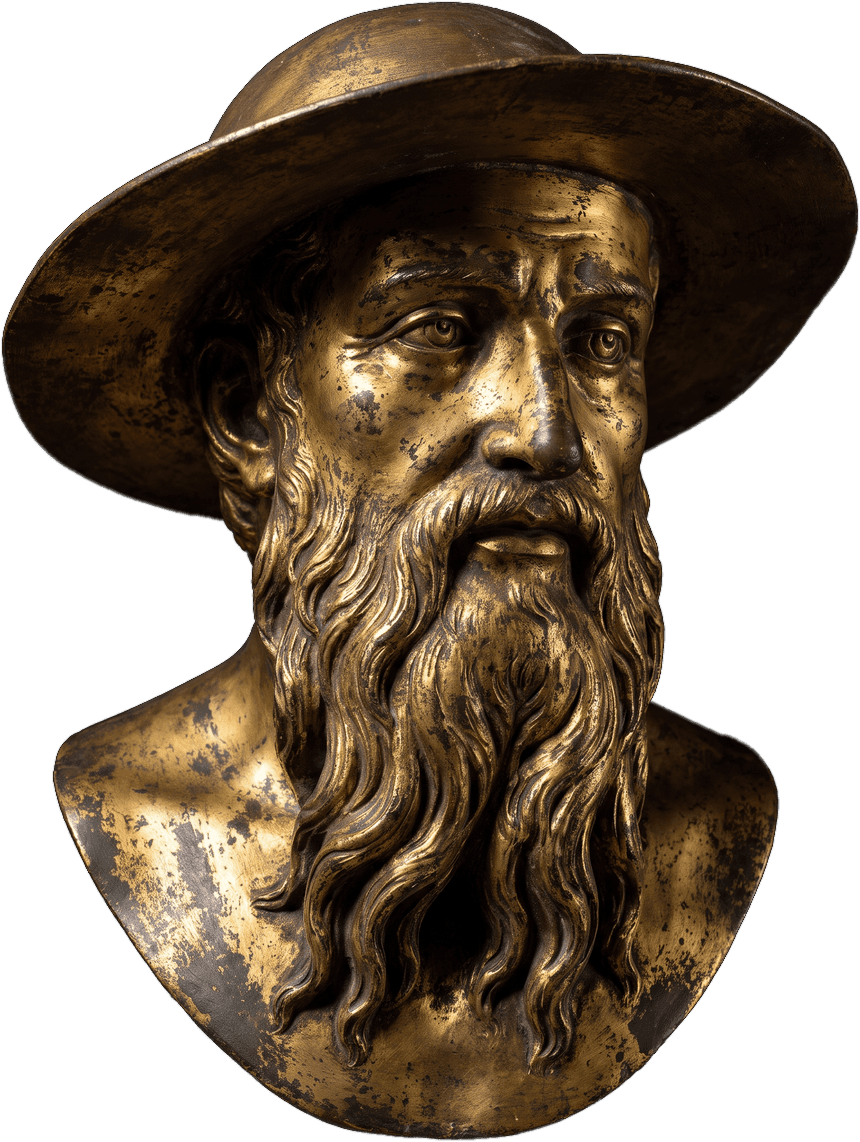
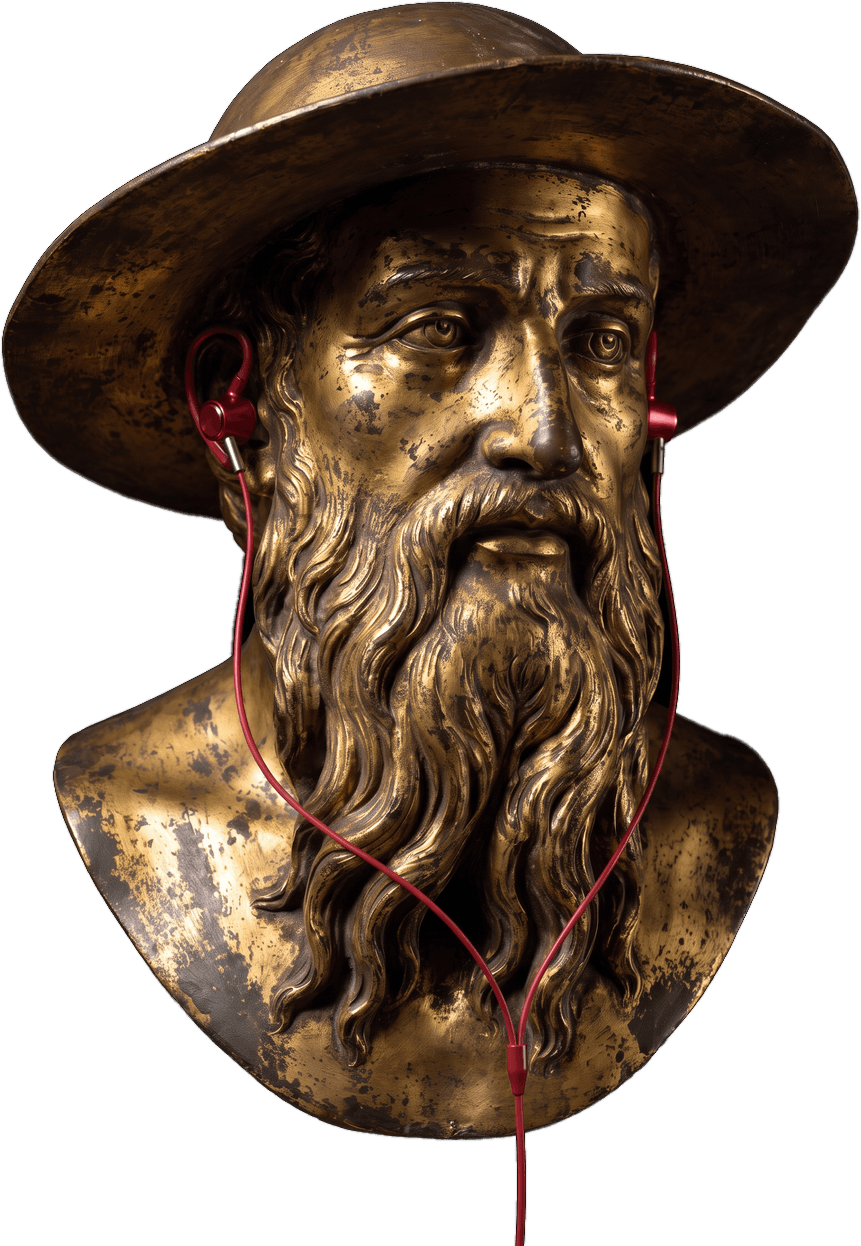
Seven Hermetic principles, and the stars read as a language.
“When the ears of the student are ready to hear, then cometh the lips to fill them with Wisdom.”
A reader app made for the classics: listen, read along and come back exactly where you stopped.
Every word of the original text. Nothing abridged.
Follow the text word by word while you listen.
Download for offline, pick up where you left off.
Classics is narrated by a modern AI voice, in English first. More languages are on the way. Here is what that means.
Every narration is generated by a text-to-speech model. No human actor, no pretending.
AI lets us narrate complete works instead of abridged excerpts, and add new titles every week.
We listen to a pilot of each book and correct names, foreign words and stresses before the full narration.
Hear the voices
We want the greater part of the world’s classics available to listen to: from Greece to China, the Renaissance to the esoteric. Complete texts, narrated with care, not rushed out. Quality comes first, and the library grows a little every week. Classics only, no bestsellers, no filler, all in the public domain. We start in English and plan to expand to other languages.
It starts here
At launch
Short answers about the AI voice, the text and the catalog. Anything else, write to us.
Create a free account →An AI voice. Every book is narrated by a modern text-to-speech model, not a human actor. We say so up front because you should know what you are pressing play on.
Because it lets us narrate the whole book, every word, and keep adding titles every week. Classics that never got a quality recording finally get one, and the catalog can grow far faster than studio sessions would allow.
Current voices are natural and even-paced, built for long listening. They are not a human performance: no acting, no character voices. We listen to a pilot of every book and fix names and foreign words before publishing.
No. The narration follows the full original text of the translation. Nothing is summarized or cut.
Every work is in the public domain, in a translation that is also out of copyright. We check the status per country before a title goes live.
Yes. The text is highlighted word by word as it is spoken, so you can switch between reading and listening.
English first: that is where our focus is at launch. We intend to expand to other languages after that, with the same complete-text, quality-first approach.
Free to start: every account gets 30 minutes of listening a month. Beyond that you can unlock a single book for a year, or subscribe for the whole catalog. Prices are shown before you pay, and a subscription can be cancelled any time.
Yes. We offer both female and male narrators, and you pick the one you prefer. Same complete text, same care, just a different voice for the long listening.
On the web at theclassics.app, with the same account in the app. We start with the US and UK, other countries follow.
“The beginning is the most important part of the work.”
Create a free account and get 30 minutes of listening every month, on the web and in the app. Even the cat is already listening.